what does not cause diabetic ketoacidosis Ketoacidosis diabetic dka breath treatment complications fruity ketosis symptome mellitus ketones urine mantracare anzeichen abdominal ursachen nausea difficulty remedies
Diabetic ketoacidosis (DKA) is a serious medical emergency that occurs when the body cannot produce enough insulin. This condition is most commonly seen in individuals with type 1 diabetes, but it can also affect those with type 2 diabetes in certain situations.
Understanding Diabetic Ketoacidosis
DKA happens when there is a shortage of insulin in the body. Insulin is responsible for helping the body use glucose for energy. In the absence of sufficient insulin, the body starts breaking down fats for energy, leading to the accumulation of ketones in the blood.
The increased level of ketones in the blood causes the blood to become acidic, leading to a wide range of symptoms and complications. Some of the common symptoms of DKA include excessive thirst, frequent urination, nausea, vomiting, abdominal pain, confusion, fruity-scented breath, and deep, rapid breathing.
It is important to seek immediate medical attention if you or someone you know is experiencing these symptoms, as untreated DKA can be life-threatening. Prompt medical intervention is crucial to prevent the condition from progressing further and causing severe complications.
The Importance of Emergency Care
Emergency care plays a critical role in the management of DKA. Once you arrive at the emergency room, the medical team will perform a series of tests to confirm the diagnosis and assess your overall condition. These tests may include blood tests to measure glucose and ketone levels, as well as electrolyte tests to evaluate the balance of salts in your body.
Treatment for DKA usually involves a combination of insulin therapy and fluid replacement. Insulin helps lower blood glucose levels, while fluids help rehydrate the body and restore electrolyte balance. The medical team will closely monitor your blood glucose, ketone, and electrolyte levels throughout the treatment process.
In addition to medical intervention, emergency preparedness is crucial for individuals with diabetes. It is important to have an emergency plan in place, which includes information about your medical condition, emergency contacts, and necessary medical supplies. Being prepared can help you manage diabetic emergencies effectively and ensure timely access to medical care when needed.
Preventing DKA
The best way to prevent DKA is to effectively manage your diabetes. This involves taking your prescribed medications as directed and closely monitoring your blood sugar levels. Additionally, a healthy lifestyle with a balanced diet and regular physical activity can help in preventing spikes in blood sugar levels.
Regular monitoring of blood glucose levels is essential. This involves keeping track of your daily glucose readings, as well as regularly visiting your healthcare provider for comprehensive diabetes management. It is important to work closely with your healthcare team to develop a personalized diabetes management plan that addresses your individual needs and minimizes the risk of DKA.
 Remember, early recognition and timely intervention are key in managing DKA effectively. By staying proactive in your diabetes management and being prepared for emergencies, you can help protect yourself from the potentially life-threatening complications associated with DKA.
Conclusion
Diabetic ketoacidosis is a serious condition that requires immediate medical attention. Understanding the symptoms, seeking emergency care, and being prepared for diabetic emergencies are crucial steps in managing DKA effectively. By maintaining a proactive approach to diabetes management and prioritizing your overall health, you can minimize the risk of developing DKA and ensure a better quality of life.
It is important to consult with a healthcare professional about your specific medical condition and any concerns you may have. They can provide guidance tailored to your individual needs and help you develop an effective plan to manage your diabetes.
 Stay informed, be prepared, and prioritize your health. Take control of your diabetes and reduce the risk of diabetic ketoacidosis!
If you are searching about Diabetic Ketoacidosis, Emergency Care, Emergency Preparedness you’ve visit to the right place. We have 5 Images about Diabetic Ketoacidosis, Emergency Care, Emergency Preparedness like Diabetes and Fruity Breath: Causes, Risks, And Treatment, Pathophysiology Of Diabetic Ketoacidosis - Diabetic ketoacidosis is an and also Diabetic Ketoacidosis (DKA) – Why should it matter to me? | Nipro. Here it is:
Diabetic Ketoacidosis, Emergency Care, Emergency Preparedness
www.pinterest.comDiabetes And Fruity Breath: Causes, Risks, And Treatment
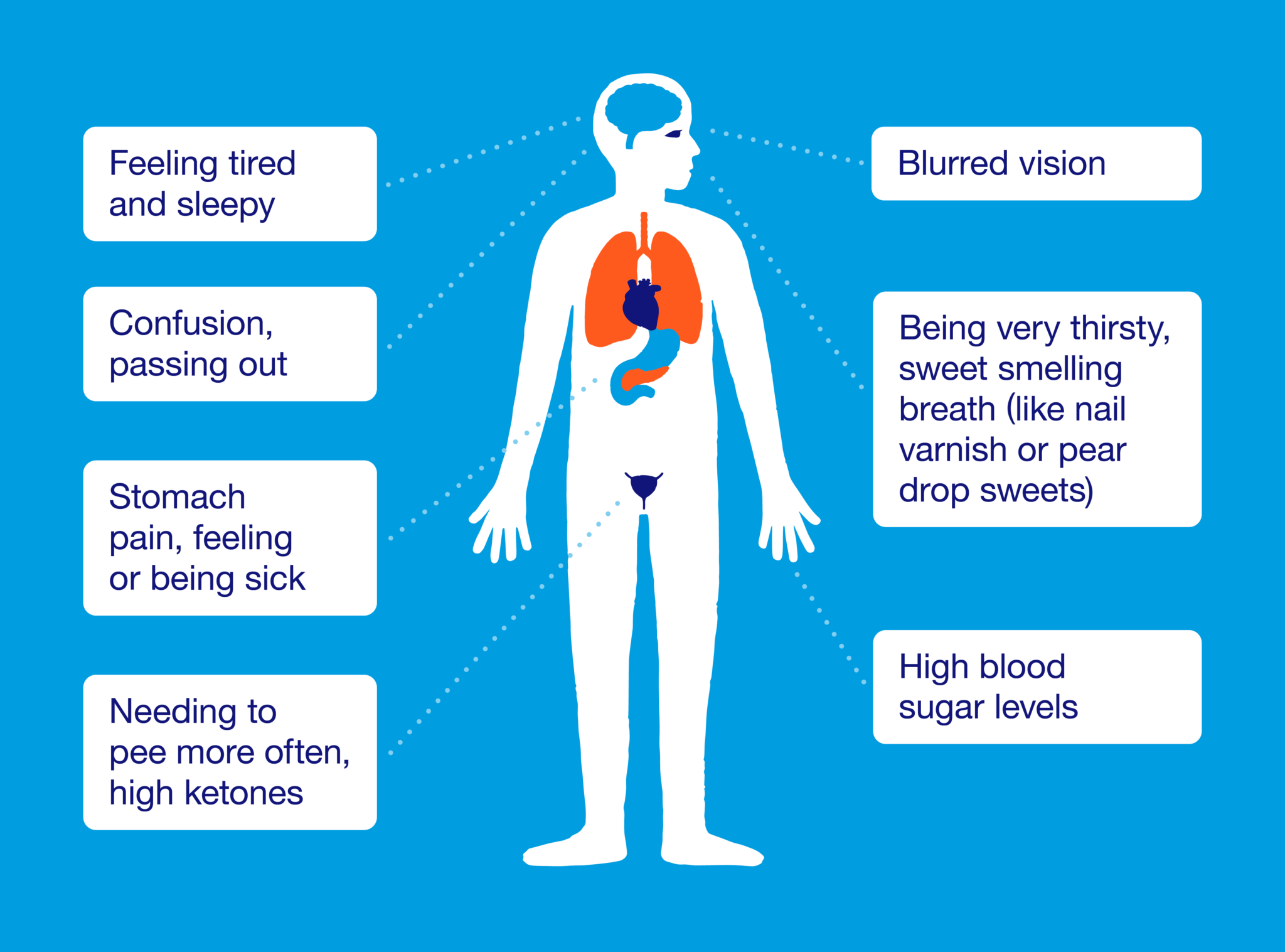 mantracare.orgketoacidosis diabetic dka breath treatment complications fruity ketosis symptome mellitus ketones urine mantracare anzeichen abdominal ursachen nausea difficulty remedies
Pathophysiology Of Diabetic Ketoacidosis - Diabetic Ketoacidosis Is An
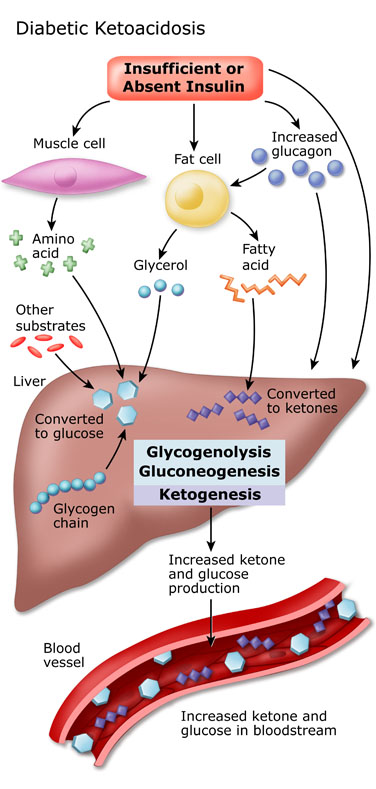 ariadnehopkins.blogspot.comdiabetes ketoacidosis dka diabética aceite insulin cetoacidosis diabetica pathophysiology ucsf complication alzheimer stepwards ketones acidosis blood luchar dtc aceitedecoco rev1
Diabetic Ketoacidosis (DKA) – Why Should It Matter To Me? | Nipro
www.pinterest.caketoacidosis dka nipro
Downloadables - DANII Foundation
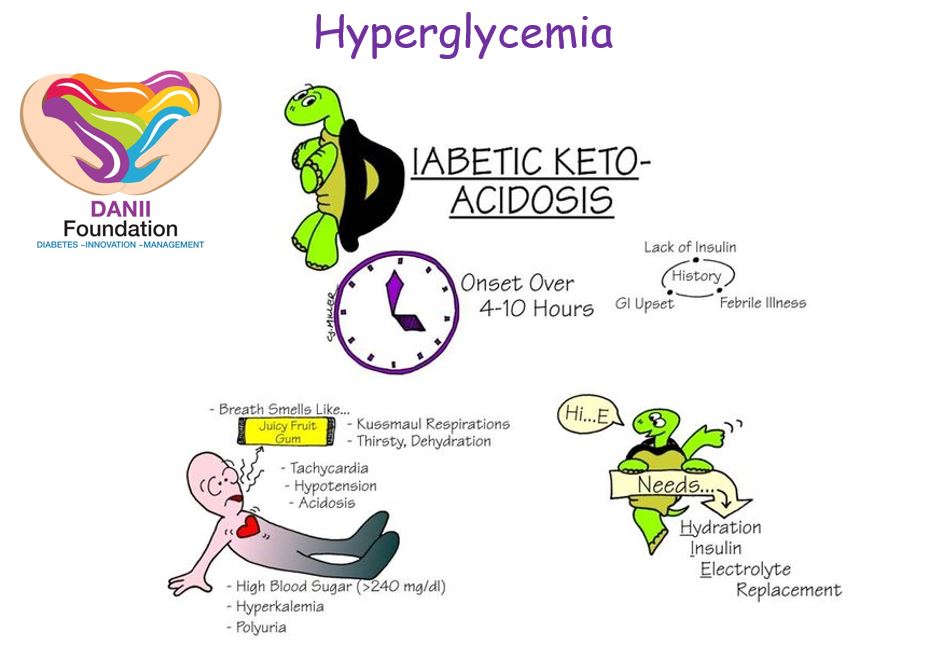 danii.org.auketoacidosis dka diabetic hyperglycemia ketones lead coma death danii hypo cycle au serious passing condition downloadables
Diabetes ketoacidosis dka diabética aceite insulin cetoacidosis diabetica pathophysiology ucsf complication alzheimer stepwards ketones acidosis blood luchar dtc aceitedecoco rev1. Diabetic ketoacidosis (dka) – why should it matter to me?. Diabetes and fruity breath: causes, risks, and treatment